Some people learn to think creatively.
Others are wired that way.
The path started with a pencil and a blank page — learning to see before learning to speak in marketing language. That foundation changed everything. It meant understanding that a campaign is not a brief, a logo is not a brand, and an algorithm is just a mirror of human behaviour at scale.
What followed was fifteen years of operating at the intersection of creative instinct and commercial reality — across global agencies, luxury automotive, multi-brand retail, QSR, and the inside of the world's largest social media platforms. Every environment added a different layer of understanding.
Today that entire journey feeds into one capability: knowing what makes something work — and being able to build it.
"The most dangerous thing in marketing is confusing activity with impact.
Everything else follows from understanding that difference."
It starts with the ability to hold a problem in your head for long enough to actually understand it — before reaching for an idea. That skill was built in a global agency environment where the brief was never the starting point. The insight was.
Working across FMCG, automotive and telecommunications for some of the world's most demanding brands taught one central lesson: the quality of the thinking determines the quality of the output. Not the budget. Not the technology. The thinking.
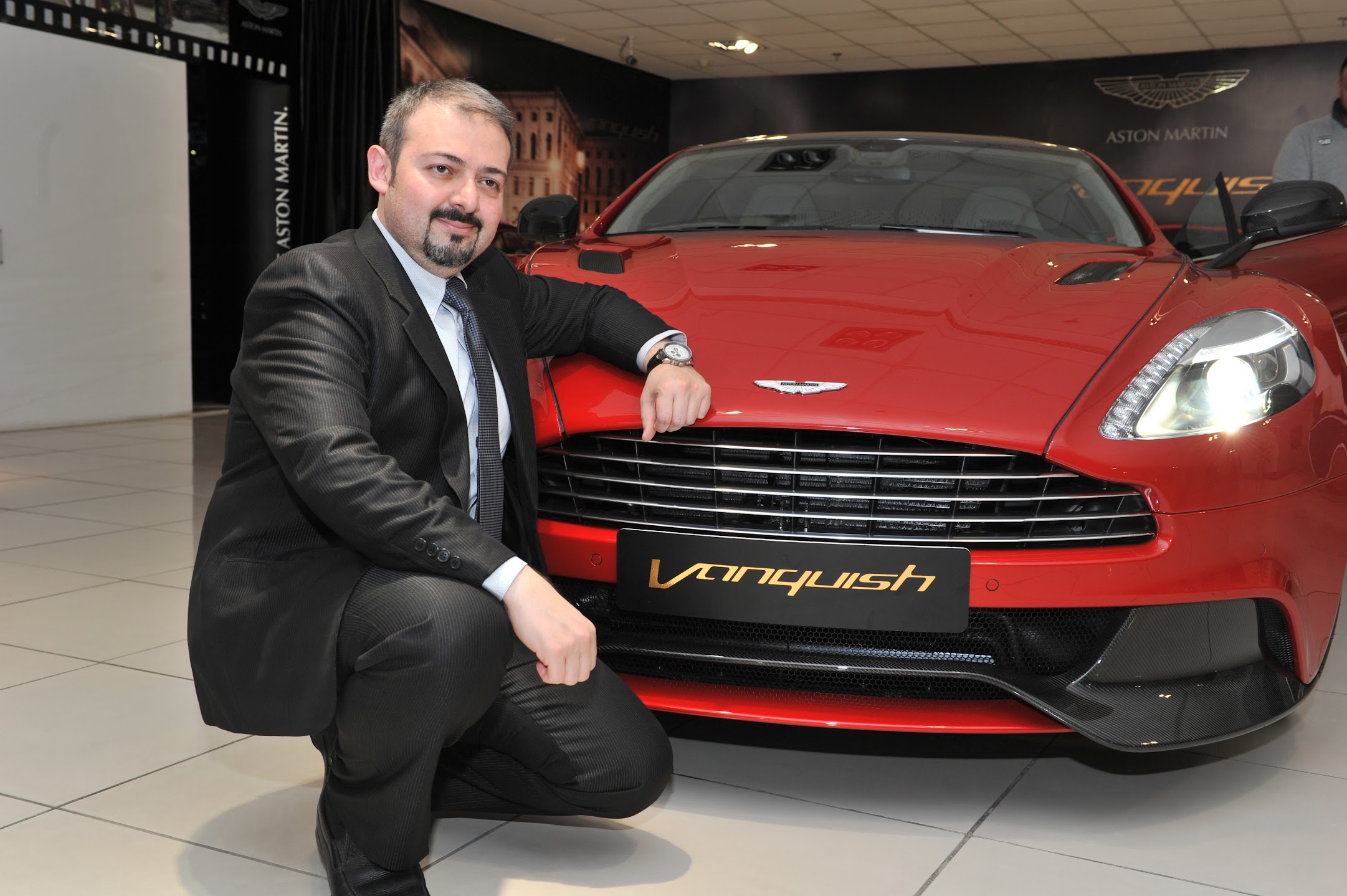
Building a luxury brand means understanding that the product is never the point. The feeling is the point. The story is the point. The moment people will remember when they close their eyes and think of it — that is the point.
Flying a car above one of the world's most iconic buildings was not a stunt. It was a statement. That kind of creative ambition requires the confidence to propose it, the relationships to execute it and the strategic clarity to understand why it works.
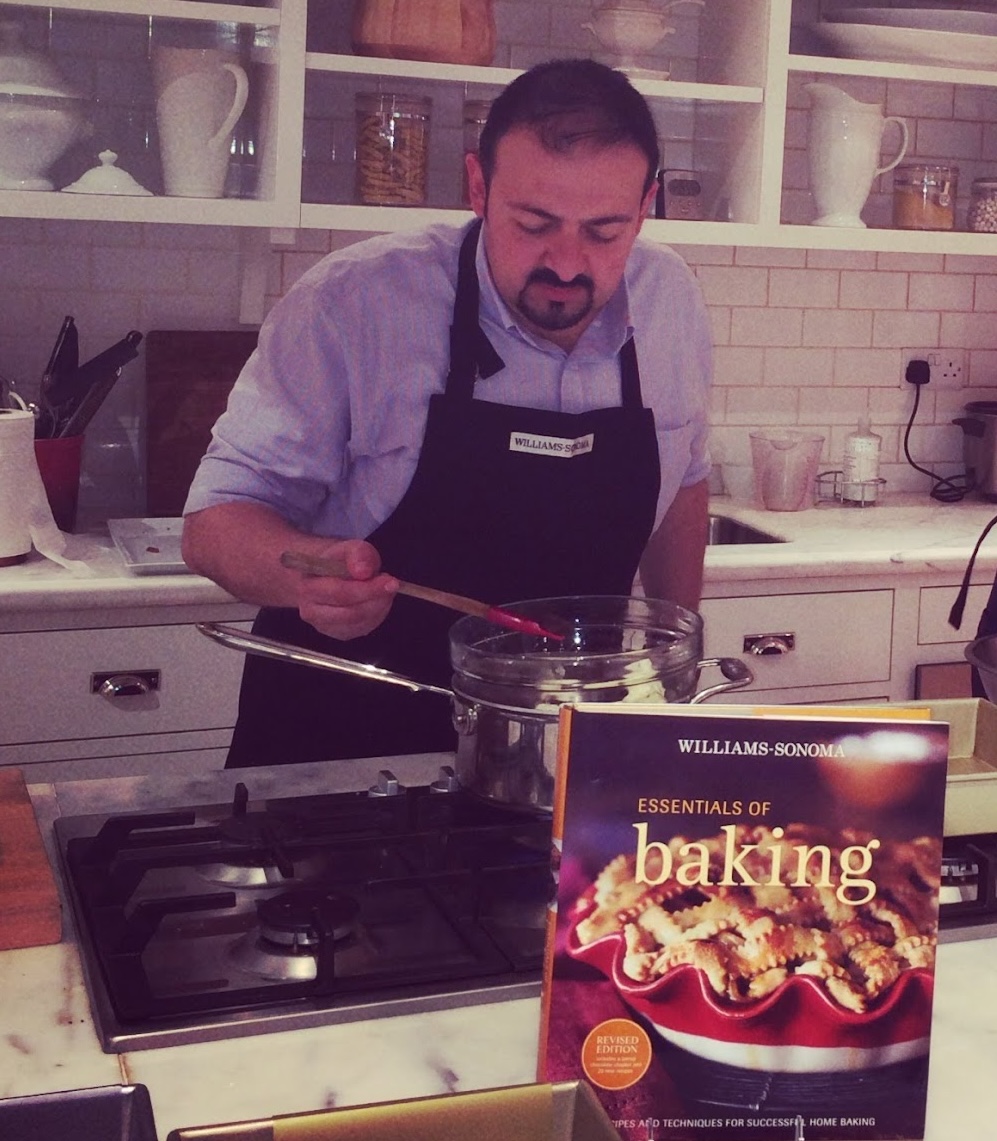
The most honest creative work happens when you abandon the ego of the brief and start from the guest — what they actually eat, how they actually feel when they walk in, what they actually talk about when they leave.
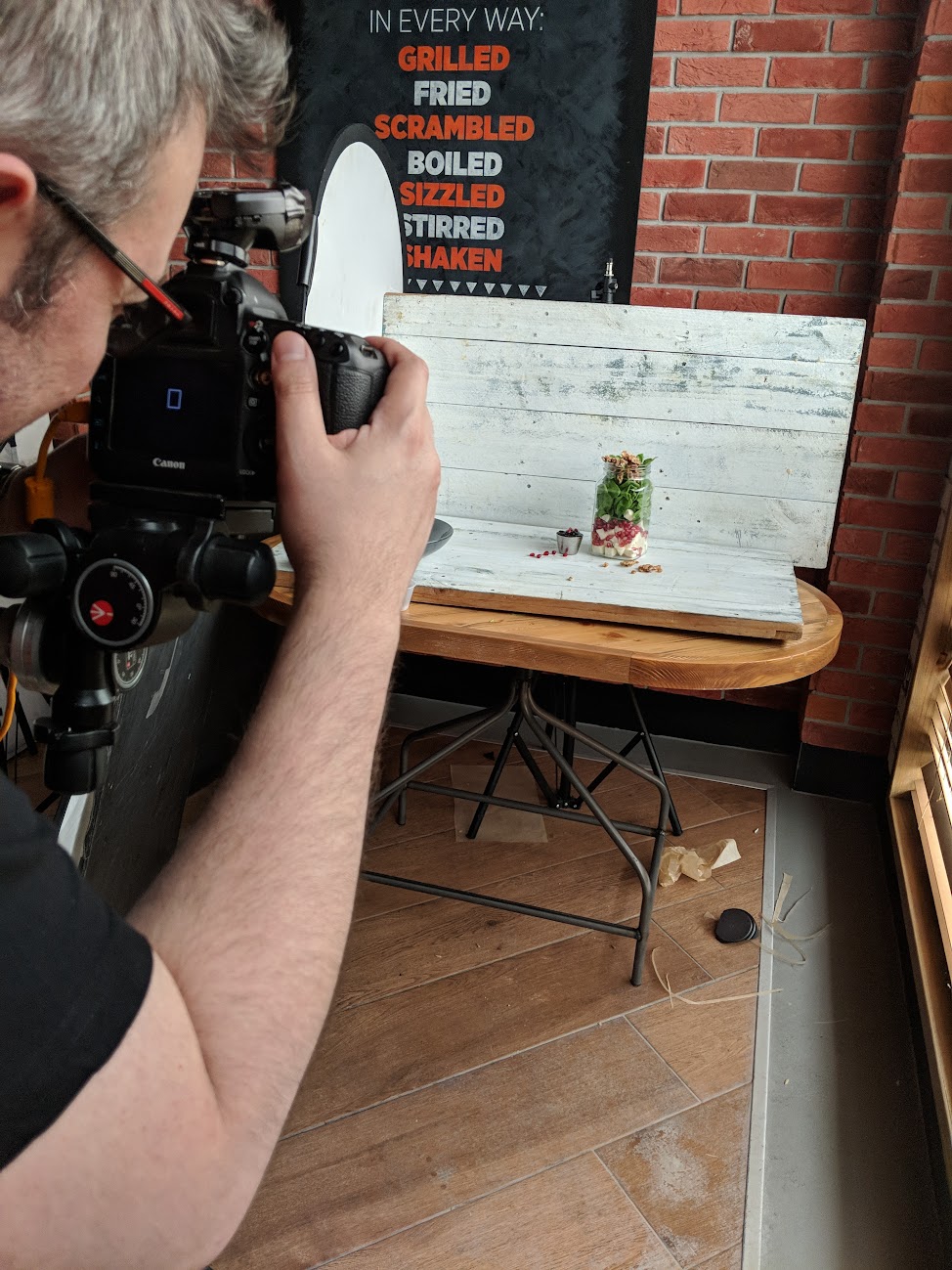
Rebuilding brand love is slower than launching something new. It requires patience, genuine product involvement and the discipline to kill what isn't working before the data forces you to. The concepts that came from that discipline — Crazy Salad Shakers, Mason Jars, Be the Chef — went from local ideas to global conversations.
Most brands treat a product launch as a deliverable. The real opportunity is different — it's a moment to define how the market feels about something before the market has had time to form its own opinion.
The window between launch and reaction is where creative strategy matters most. Everything before opening night is preparation. Opening night is just the beginning of the real campaign.
Cultural intelligence is not about translating ideas — it's about finding the universal truth inside the local insight. Every market has a behaviour that is entirely its own but speaks to something human that everyone recognises.
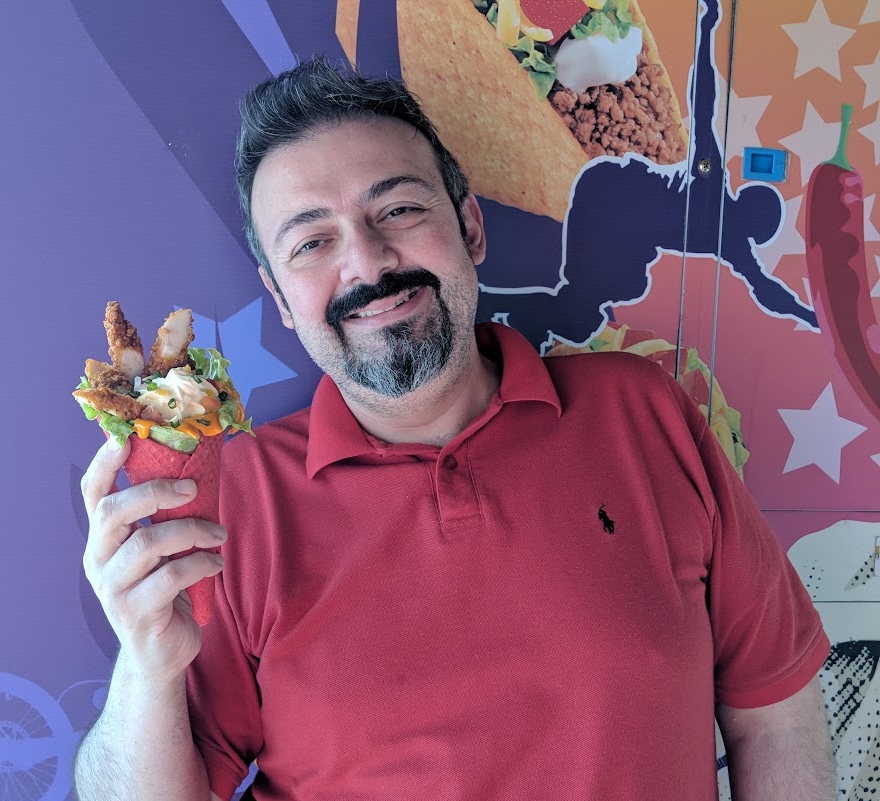
Tacone was born from understanding a cultural food behaviour and trusting that the insight was universal enough to travel. When markets in the US and Europe adopted it, the lesson was confirmed: the best creative thinking is simultaneously specific and scalable.
The brands that perform consistently are the ones where the internal team believes the story as much as the customer does. Marketing that works starts before any campaign is briefed.
Building that internal culture — the shared understanding of what a brand stands for and why it matters — is one of the most undervalued forms of creative leadership. When the team believes it, the guest feels it.
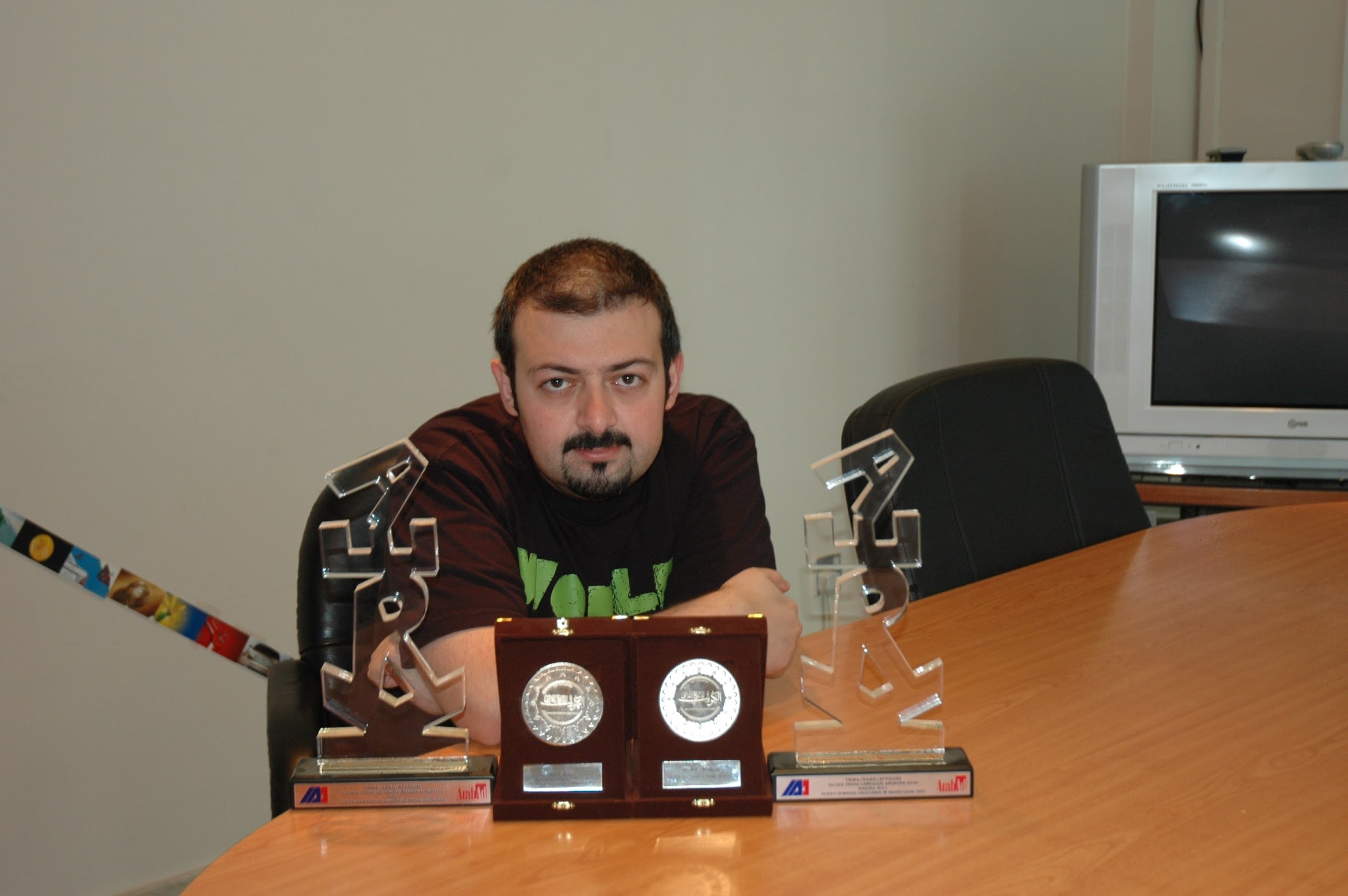
Global recognition is meaningful only when it confirms what the numbers already show. The most satisfying creative work is not what wins the most applause — it's what moves the most people to change their behaviour.
When a global brand removes regional approval requirements because they trust your creative judgement completely, that is the real award. The trophy is just the symbol.
The next chapter is being written now. The same creative instinct that started with a pencil is now working with generative video, AI image synthesis and automated production pipelines — not to replace the thinking, but to accelerate the gap between idea and execution.
The proposition is unusual because the path to it was unusual. Most people arrive at AI creative tools from either the technology side or the content creation side. This path started in advertising, ran through luxury automotive, scaled across 400+ global brands, and spent three years understanding platforms from the inside. The tools are new. The judgement is not.
Every brand that has been part of this journey has left something behind — a sharpened instinct, a refined understanding of what audiences actually respond to, a deeper respect for the difficulty of making something genuinely good.
Creative growth is not a destination. It's a direction. The work continues.